
Victim Notification
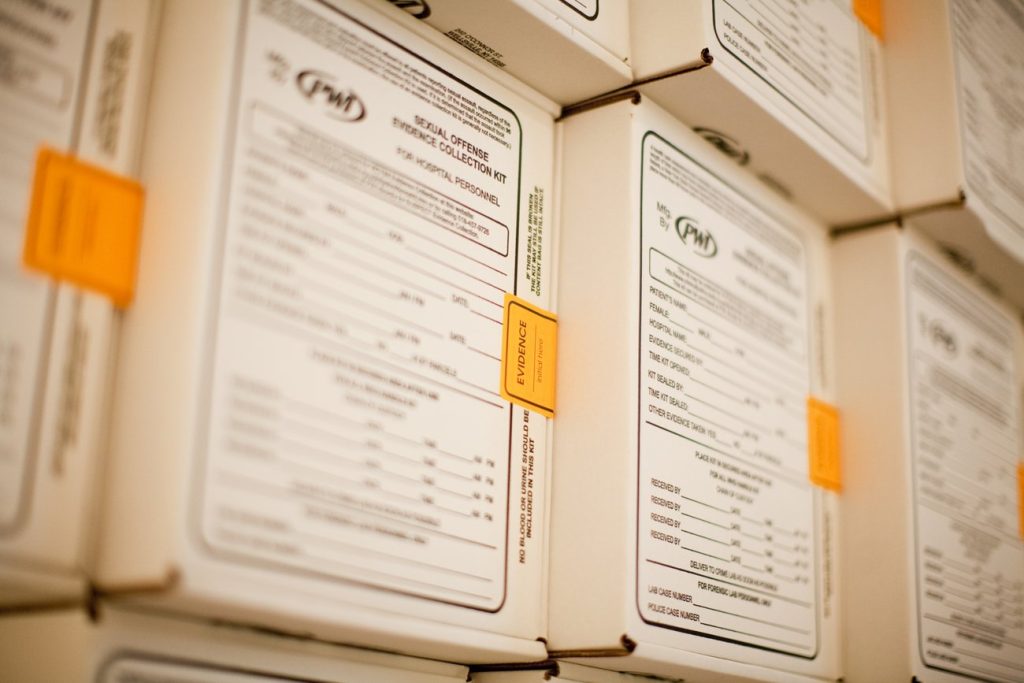
Across the country, communities are taking untested rape kits off the shelves, testing them, and breathing new life into sexual assault cases that may have been unsolved for years. As these cases are reactivated and investigated, the survivors must be notified in a way that is not re-traumatizing, can enhance the probability that a survivor will engage with the criminal justice system, and will increase the likelihood that a survivor will access the support services they need and deserve. Creating trauma-informed practices, policies, and protocols that set a standard on the practice of survivor notification is crucial to mitigating further harm.
In 2016, the Joyful Heart Foundation released research on victim notification that created a set of best practice recommendations. Numerous other resources are available to communities to support this work.
Our work has guided communities across the country. In many jurisdictions, multidisciplinary teams work together to make decisions about whether and how to notify a particular survivor on a case-by-case basis. Those teams usually include a law enforcement officer or a prosecutor and often a victim advocate. Several jurisdictions approach notification in various steps, such as calling first and then asking for an in-person meeting. Others have decided to notify survivors in person as the first contact. Jurisdictions differ on when, if at all, notification should occur during the process of clearing a backlog. In some communities, stakeholders notify survivors in all untested kit cases; in others, survivors only receive contact in cases where a DNA match has occurred and an investigation will take place.
In many states, survivors also have certain rights to be informed about the status of their rape kits and their cases. Teams working on notification should be clear about what their state law mandates.